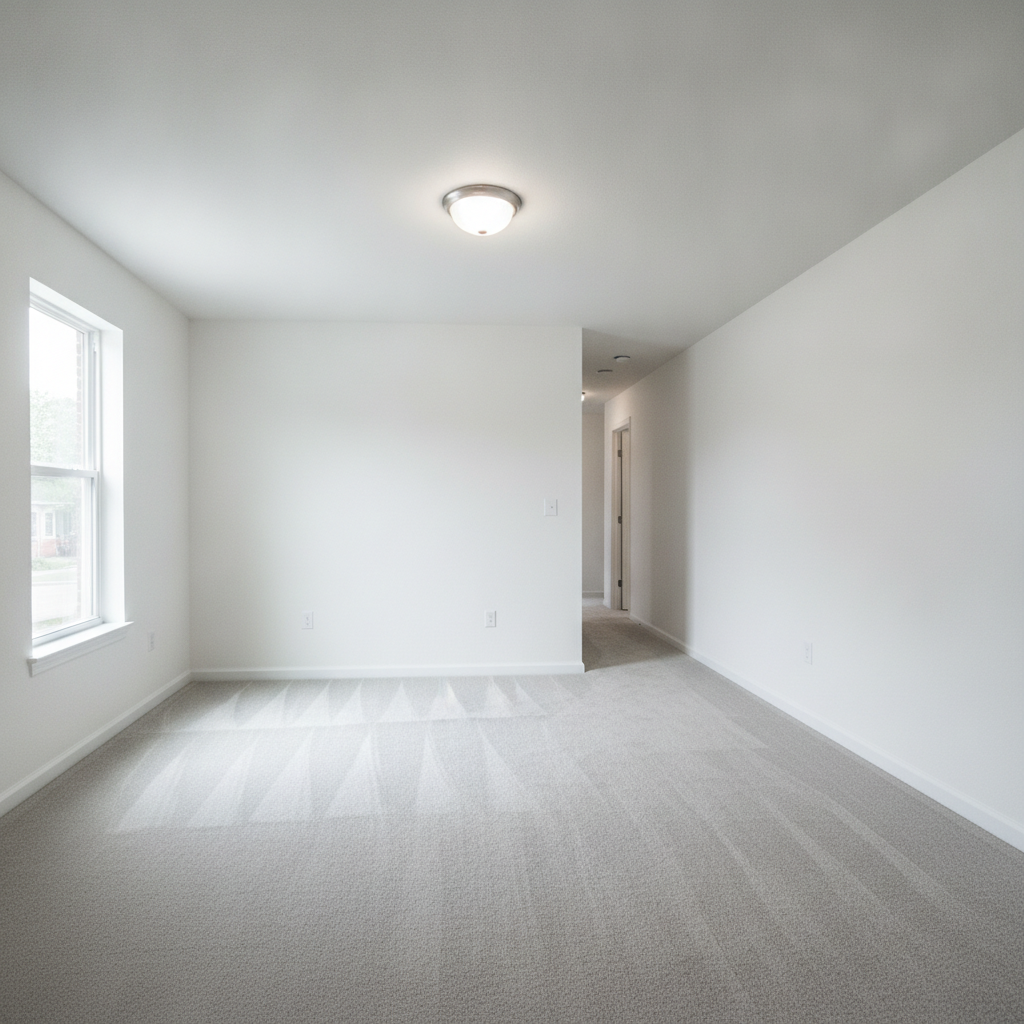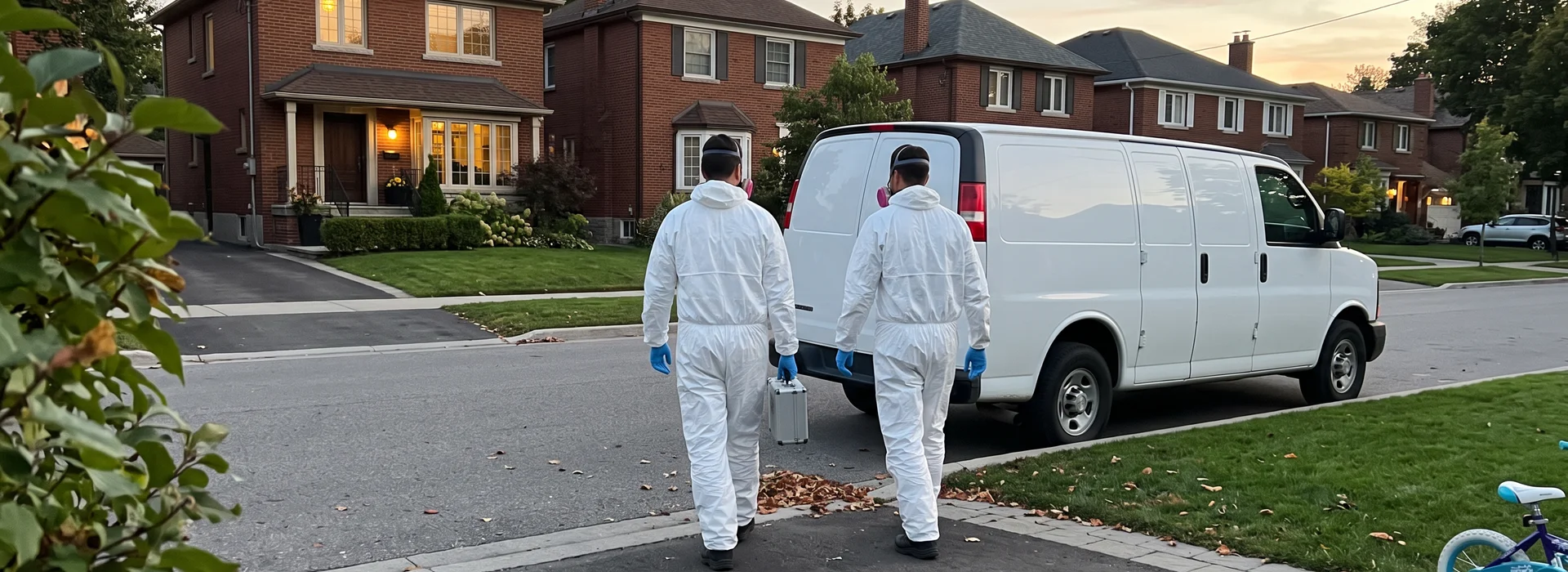
A Vaughan family called us on behalf of their mother, who had been living alone in a bungalow near Highway 7 and Islington for 18 years. A social worker visit had flagged the home for animal hoarding - the mother had taken in rescue cats over several years, the numbers had grown beyond what she could care for, and the environment had reached Level 4 condition. The family wanted a crew that would treat the mother with respect and give her a home she could stay in.
The Situation
The adult child who called wanted the home restored without their mother being displaced long term. The social worker had a care plan: three cats would stay (chosen with the mother), the rest had been rehomed through a local rescue organization the week before. The family needed the home decontaminated, deodorized and set up so a weekly cleaner could maintain it going forward. Discretion mattered - the mother was embarrassed, and the family did not want neighbours asking about what the crew was doing.
We dispatched a four-person crew Tuesday morning in unmarked white vans. The social worker was on site for the walkthrough. The mother was asked which room she wanted to sit in while work began, and the crew lead checked in with her at the end of each day.
The Scope
Scope landed at $7,800 to $14,000 for a Vaughan bungalow with Level 4 animal hoarding conditions. Final invoice came in at $11,400, with the family paying half and a provincial grant through the social worker covering the rest. ICD Level 4. Service type: animal hoarding cleanup, HEPA decontamination, enzymatic odour treatment, porous material removal, hospital-grade disinfection.
Timeline: 4 days. The mother stayed with the family during days two and three for the heaviest work, and returned Thursday evening for the walkthrough.
The Process
- Day 1 - Containment and resident coordination. Walkthrough with the social worker and the mother. Keep list agreed. HEPA negative-air set in the two most affected rooms. Bulk cleanup began in the living room.
- Day 2 - Porous removal. Carpet, underpad and baseboards affected by cat urine removed. Subfloor neutralized with enzymatic treatment. Walls spot-tested for residual odour, treated with pigmented primer where required.
- Day 3 - Deep clean and odour treatment. All hard surfaces disinfected with quaternary ammonium. Enzymatic treatment on remaining porous surfaces. Hydroxyl generator ran overnight.
- Day 4 - Verification and setup. ATP surface verification. Final HEPA sweep. Three cat trees and a feeding station installed per the social worker’s care plan. Walkthrough with the mother, the adult child and the social worker.
Written workmanship warranty, WSIB registered, $2M CGL, IICRC S540 certified. OSHA 1910.1030 training applied to the biohazard portions.
The Outcome
The mother stayed in her home. The weekly cleaner started the following Monday with a punch list of maintenance tasks the crew lead had prepared. The social worker’s care plan held - six-month check-ins confirmed the home remained in condition, and the mother had reconnected with two neighbours she had been avoiding. The family paid the invoice in full within 10 days.
Animal hoarding jobs are rarely about the volume of cleanup. They are about the resident’s dignity and whether the home can be a home again after the crews leave. A care plan that includes a weekly maintenance cleaner is often the difference between a one-time restoration and a durable change.